
Gwangju’s Dongmyeong-dong Offers a Different Korean Café-Culture Story
Converted houses beside the Asia Culture Center, independent cafés in the alleys, and Namdo meals that belong to the same trip.
Updated November 9, 2026
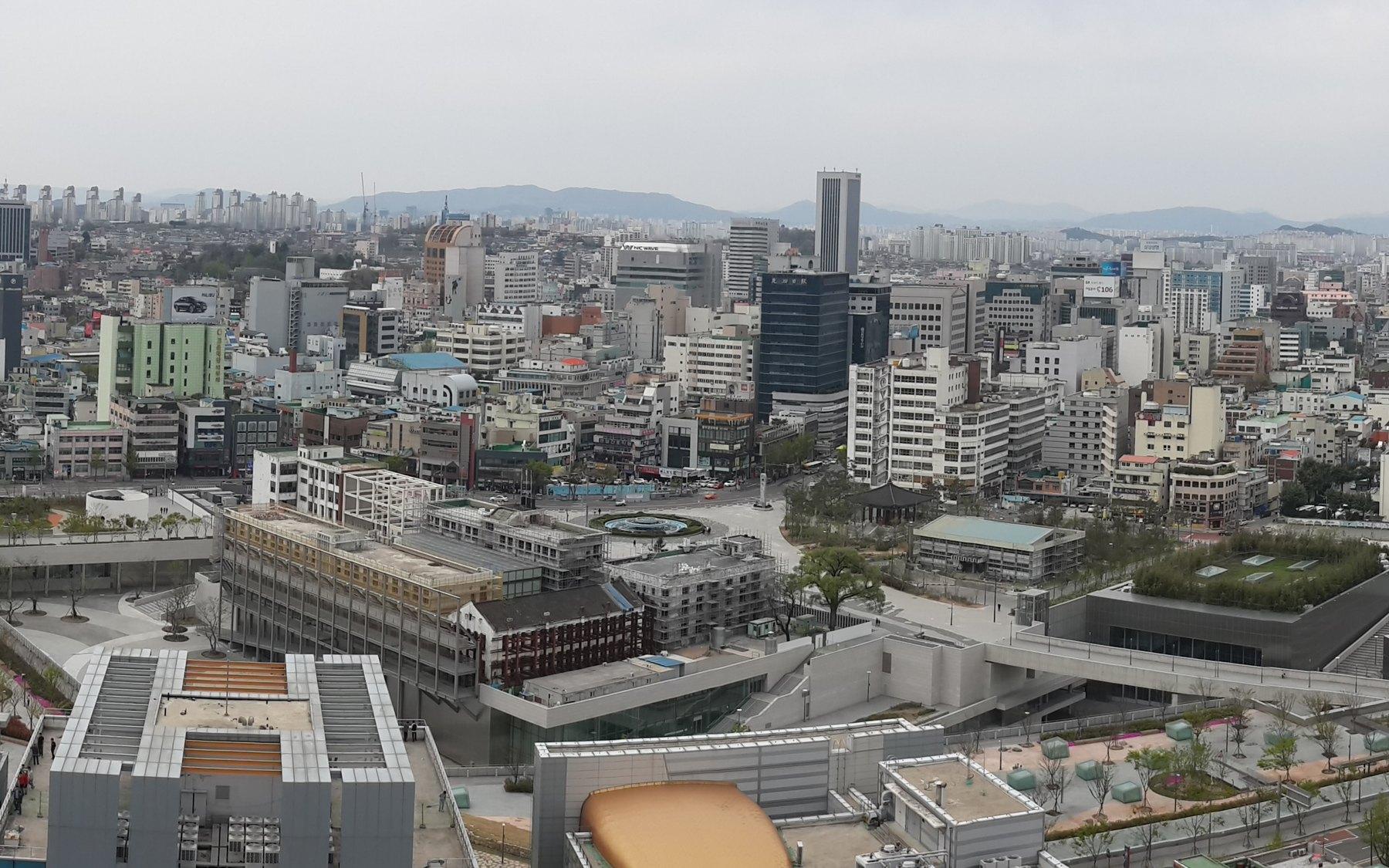
Photo by Lain4lest. Licensed under CC BY-SA 3.0. Cropped and resized for web
East of Gwangju’s Asia Culture Center, the streets drop into a residential grain. Tile roofs hang over low walls. Yards still look like yards. Then a chalkboard appears, a courtyard table, the smell of roasted beans.
Locals call the café stretch Dongridan-gil, borrowing a nickname from Seoul’s Gyeongnidan-gil. The comparison only goes so far. What you walk here is still a neighborhood of converted houses.
Korea’s Small Enterprise and Market Service published a tourism release today that puts Dongmyeong-dong on a national “glocal” commercial-district list, and says American visitors led foreign foot traffic among the countries it tracked. That note will put the neighborhood on more traveler maps. The alleys show how Gwangju drinks coffee. The city’s Jeolla tables finish the day.
Houses first, then coffee
Gwangju’s tourism office still describes Dongmyeong-dong as a former well-to-do pocket of modern houses and hanok. When apartments pulled families elsewhere, academies filled the gap. Parents waiting out lessons needed somewhere to sit, so small cafés followed, then shops that put more work into interiors and drinks. The Asia Culture Center opened next door in 2015 on the old Jeollanam-do provincial grounds, and younger visitors started walking the alleys after exhibitions.
Yonhap’s reporting from this spring says the street grew from residents and merchants first. A Dongmyeong community council took shape in March 2019. Dong-gu later added alley-regeneration support. Shop counts rose from around 200 to around 300 by late 2025, and measured foot traffic more than doubled from 2022 to 2025.
Dongmyeong Coffee Walk, an autumn festival that began in 2021, is the neighborhood’s loudest weekend. The sixth edition ran October 31 and November 1 around the ACC parking lot and the café streets. Go if you like a crowd. The alleys are still good on an ordinary Tuesday.
How to walk the cafés
Smartravel’s Gwangju café guide is blunt about logistics. Dongmyeong-dong is a walk district. The alleys are narrow, weekend curb parking fills early, and shops sit back from the main roads. Ride the subway to Culture Center Station, or leave the car in a larger lot by the ACC, then loop on foot. An hour covers the basic radius. Two or three hours lets you sit twice and still notice the yards.
If one room is full, the next alley usually has another. Franchise coffee is scarce. The pleasure is watching how each house opened into a shop.
Korea Times, writing in April, used Teasoha as a calm example: a black-and-white tea room where guests time their own white, green, black, or oolong with an hourglass, then eat handmade yanggaeng and dried fruit. Nearby, Mulheureudeut runs without an espresso machine, pouring hand-drip from a short rotation of beans in rooms that used to be a cleaner’s shop and a small supermarket. Kwangju Ilbo’s older street map still points people toward long-running Florida on Donggyecheon-ro for fruit punches and a wide drink board, and toward bakeries such as Artisan Hong when you want bread with the coffee.
Hours and closing days vary shop by shop. Check before you lock onto one destination, then stay loose once you are in the grid.
Keep Jeolla on the same day
Dongmyeong-dong will feed you coffee, dessert, and light meals. Gwangju’s deeper reputation still sits with Namdo cooking, the southwest Korean table VisitKorea keeps calling one of the country’s most generous. Side dishes arrive in force: namul, jeotgal, jeon, jangajji, seasonal fish. Hanjeongsik restaurants in neighborhoods such as Bongseon-dong and Sangmu lay the whole spread at once, so decide your group size and budget before you sit.
Tteokgalbi and oritang sit a short ride from the café alleys. Songjeong-dong, by Gwangju Songjeong Station, lines up tteokgalbi specialists. VisitKorea notes the local style often mixes beef and pork in the grilled patties and sends out a long-simmered bone broth beside them, a habit that took hold when kitchens needed to hold prices in a harder decade. In Buk-gu’s Yudong area, oritang houses share whole alleys. The Gwangju version leans on ground perilla seed in the duck broth and big bunches of minari wilted at the table. Order for two or more. Leftover broth often becomes fried rice or porridge at the end.
A clean day can run from the ACC or Chungjang-ro in the morning into Dongmyeong for coffee, then Songjeong tteokgalbi before a train, or Yudong duck stew if the table wants a shared pot. Yangnim-dong, about ten minutes away by car, offers another hanok-and-café pocket with a slower sit. Smartravel treats it as the opposite temperament from Dongmyeong’s browse-and-move alleys. Save it for a second afternoon.
SEMAS describes the district as regional food, cafés, and local brands in one walkable place, with tax-free shopping and easier payments for visitors. The alleys still feel like houses that kept their doors and yards while coffee moved in. Walk those rooms for the independent shops, then keep an appetite for a Namdo table afterward.