
Rice Vinegar, Explained
Unseasoned rice vinegar is the mild grain acid most East Asian recipes mean. Seasoned sushi vinegar already has sugar and salt. Distilled white vinegar tastes sharper.
Updated September 27, 2026
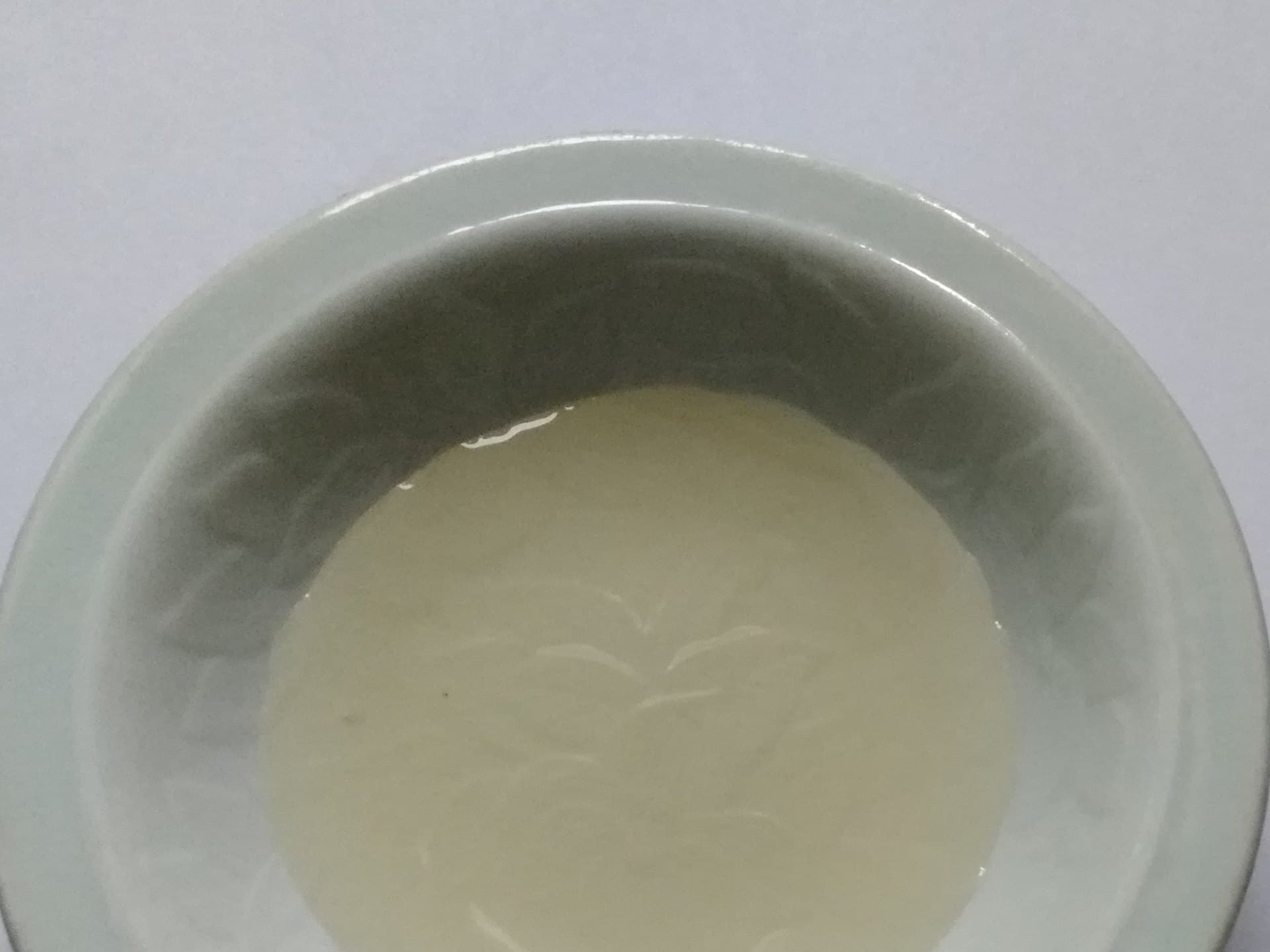
Photo by Sotaque. Licensed under CC0 1.0. Cropped and resized for web.
A cucumber salad is salted and waiting. The recipe says rice vinegar. The nearest bottle on a lot of Western shelves says distilled white, or it says seasoned rice vinegar and already tastes sweet and salty.
The pour you want is pale gold, and milder than both of those. Japanese bottles call it 米酢, komezu. That unseasoned bottle is the one for sushi rice, a cucumber salad, and a pale sweet-and-sour sauce.
What it is
Rice vinegar is a brewed grain vinegar. Cooked rice is broken down to sugars, fermented to alcohol, then turned into acetic acid. English labels say rice vinegar or rice wine vinegar. Those two names are one bottle. The wine in the longer name is the alcohol stage of brewing, already gone.
Japan’s vinegar standard asks for at least 40 grams of rice in each liter, and at least 4.2 percent acid for grain vinegar. Everyday export bottles, including Marukan’s unseasoned line, often land around 4.3 percent after they are diluted with water. Distilled white vinegar in an American supermarket is commonly 5 percent, and it tastes sharper. Sushi rice can take a real pour of the rice bottle because of that.
Unseasoned and seasoned
Unseasoned rice vinegar
This is the first bottle. The ingredient list is rice and water, sometimes with a little salt. You add the sugar and soy yourself.
Seasoned rice vinegar
Sometimes labeled sushi vinegar, this is the same pale vinegar with sugar and salt already mixed in. Marukan’s seasoned bottle lists rice vinegar, sugar, salt, and water. It is a shortcut for sushi rice. In a dressing or a pickle that already has its own sugar and soy, that extra seasoning stacks. If the seasoned bottle is what you have, cut back the sugar and salt in the rest of the recipe and taste.
The other bottles nearby
Distilled white vinegar
Clear and sharp, and cheap enough for a big pickle batch. Fine for cleaning and for canning recipes written around 5 percent acid. In a cold dressing it reads harsh next to rice vinegar. If it is all you have for a cooked sauce, start with about half the volume the recipe asked for, then add a pinch of sugar and taste.
Apple cider and white wine vinegar
These are the closest everyday stand-ins when the rice vinegar is empty. Cider brings a faint apple note. White wine vinegar is cleaner. Use the same volume, then add a pinch of sugar if the dish tastes too lean. Champagne vinegar behaves the same way in a dressing.
Chinese black vinegar
Zhenjiang, often labeled Chinkiang, is a darker grain vinegar with malt and a rounded sourness. It belongs in dumpling dips and many Chinese cold plates. Use that bottle when you want the malt. Keep both if you cook Chinese food often.
Rice wine
Shaoxing wine, sake, and mirin start from rice and stop at alcohol. They add aroma and, in mirin’s case, sweetness. Vinegar adds acid. A Chinese recipe that says rice wine usually wants Shaoxing. A Japanese one often means sake. Dry sherry is the usual stand-in for Shaoxing.
Japanese, Chinese, and Korean pale bottles
Japanese komezu is the mild bottle most English-language sushi recipes assume, and the one in sunomono, the vinegar-dressed cucumber and seaweed salads. Chinese 米醋 is often a little sharper, and it is the usual acid in 糖醋 cooking, the sweet-and-sour family. On a Chinese shelf, 白醋 can mean that pale brewed vinegar or a distilled one. Look for 米醋 and rice on the ingredient list.
Korean 쌀식초 does the same everyday work. Cho ganjang, the vinegar-soy dip next to Korean pancakes and dumplings, is often built on it: soy, rice vinegar, a little water, scallion, sesame.
Red rice vinegar, tinted with red yeast rice, shows up in some Cantonese seafood dips. Brown rice vinegar and Japanese kurozu, aged from unpolished rice, come later, with more color and malt.
How to use it
Reach for unseasoned rice vinegar when you want to…
- Season sushi rice with sugar and salt you measure yourself
- Dress cucumbers, daikon, or greens that need a clean sour note
- Mix a gyoza or jeon dip with soy and a little sesame oil
- Build a sweet-and-sour sauce that should stay pale
- Brighten a stir-fry or a boxed curry that tastes flat
For sushi rice, a common home starting point is four tablespoons unseasoned rice vinegar, two tablespoons sugar, and a teaspoon of salt for about one and a half cups of uncooked short-grain rice. Warm the mixture just until the sugar dissolves, then fold it into hot rice with a cutting motion. Bottled seasoned vinegar is the same idea, already mixed; taste before you add more sugar.
In a cold bowl, rice vinegar likes a little sugar or mirin, soy, sesame oil, or ginger beside it. Start with a tablespoon and add more. You can use enough to taste the sour without the dressing turning sharp.
What to buy and how to keep it
To start, we recommend one unseasoned bottle labeled rice vinegar, with rice and water near the top of the ingredient list. A grocery bottle from a Japanese or Chinese aisle will cover sushi rice, salads, and sauces. Skip the giant can until you know you will empty it.
Store it sealed, cool, and dark, away from the stove. Vinegar keeps. If the smell turns harsh or dusty, replace it. If you cook a lot of dumplings and cold noodles, add Zhenjiang black vinegar as bottle two.